


7 "Very Special" Episodes from Black Sitcoms That Relate to Current Times


Here are seven iconic "Very Special" episodes from Black sitcoms that tackled deep, uncomfortable, and necessary topics with sensitivity, humor, and heart, offering lessons in safety, healing, and growth that remain strikingly relevant today.

1. The Fresh Prince of Bel-Air - "Papa's Got a Brand New Excuse" (Season 4, Episode 24, Aired 1994)
Topic: Parental abandonment and childhood trauma
Why it holds up: Will’s father, Lou, returns after 14 years, makes grandiose promises, and then abandons Will all over again. The raw, unscripted emotion of Will asking Uncle Phil, "How come he don't want me, man?" captures the deep pain of parental disappointment and the healing power of chosen family. Today, as discussions around dynamic family structures, emotional vulnerability, and healing childhood wounds are normalized, this scene remains a masterclass in processing grief and relational boundaries.
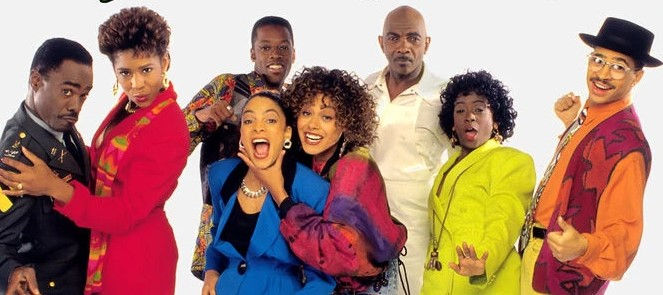
2. A Different World - "If I Should Die Before I Wake"
(Season 4, Episode 23, Aired 1991)
Topic: HIV/AIDS awareness and stigma
Why it holds up: Featuring a guest appearance by Whoopi Goldberg as an instructor, this episode addresses the terror and misinformation surrounding the HIV/AIDS epidemic when student Josie (played by Tisha Campbell) reveals her diagnosis. The show fearlessly confronted social isolation, fear-mongering, and the life-saving importance of sexual health education. In an era where sexual wellness and public health literacy remain key topics, the episode's message of empathy over stigma is timeless.

3. Family Matters - "Good Cop, Bad Cop"
(Season 5, Episode 15, Aired 1994)
Topic: Racial profiling and police brutality
Why it holds up: Eddie Winslow is pulled over, racially profiled, and harassed by white police officers in an affluent neighborhood. When he reports it to his father, Carl, who is a veteran police officer himself, Carl is initially hesitant before confronting the reality of systemic bias. The dynamic between systemic power structures, race, and parental protective instincts mirrors modern conversations around police accountability and navigating racial dynamics in America.

4. Sister, Sister - "Home Sweet Dorm"
(Season 6, Episode 1, Aired 1998)
Topic: Homelessness and economic inequality
Why it holds up: Tia and Tamera meet a young homeless girl named Simone at the mall and try to help her without fully understanding the systemic realities of homelessness. The episode peels back stereotypes to reveal the human face of housing insecurity, showing how easily families can fall on hard times. Given today's ongoing housing crises and economic disparities, the episode's call for dignity, structural support, and community compassion remains urgently needed.

5. Girlfriends – "Time to Man Up"
(Season 7, Episode 14, Aired 2007)
Topic: Domestic violence and non-physical abuse
Why it holds up: Maya and Darnell befriend new neighbors, Ray (Carl Anthony Payne II) and Alicia (China Shavers). After witnessing an intense argument, Maya begins to suspect that Ray is physically abusing Alicia. It holds up exceptionally well today, largely because it tackles a heavy, systemic issue with nuance rather than wrapping it up in a neat, sitcom-ready bow. Modern audiences revisiting the series frequently highlight how realistic, frustrating, and ahead of its time the storytelling felt. The episode does a brilliant job showing non-physical warning signs of control and abuse, such as isolation, micromanaging small choices (like what to wear), and subtle behavioral shifts.

6. Black-ish – "Hope"
(Season 2, Episode 16, Aired 2016)
Topic: Systemic racism, police violence, and talking to children about injustice
Why it holds up: The Johnsons gather in their living room to watch the grand jury decision on a high-profile police brutality case. The episode stages an intense debate between generationally distinct perspectives: Andre's anger, Rainbow's optimism, Pops' cynicism, and the need to shield the young twins from trauma. It captures the exhausting reality of discussing systemic racism within Black families while searching for emotional safety and hope.

7. Moesha – "The List"
(Season 2, Episode 1, Aired 1996)
Topic: Peer pressure, sexual responsibility, and consent
Why it holds up: Throughout its run, Moesha consistently tackled the awkward, high-stakes decisions facing teenagers, specifically double standards surrounding female sexuality, rumors, and bodily autonomy. In this episode, the boys' annual "list" comes out and Moesha isn't pleased to discover that she's been named as having the "biggest booty". (Kim is named as having the "biggest mouth" and Niecy is named as having the "smallest chest".) When they try to discover the list's author, all roads turn to new student Quinton Brooks from New York. Moesha confronts Q and he denies it. He later invites her to see him perform at a club, and Moesha soon becomes intrigued by the newcomer. In an era dominated by social media pressure, the show's emphasis on self-worth, setting boundaries, and open dialogue between teens and parents feels as relevant as ever.
Ultimately, these powerful storylines proved that Black sitcoms were never just about laughs—they served as cultural mirrors, safe spaces for communal processing, and radical educators. By tackling heavy realities with both gravity and grace, these shows ensured that audiences felt seen, protected, and challenged to grow, leaving a legacy that resonates just as deeply today.
Do you have any episodes you think should be added to the list? Let us know in the comments.


Comments